
In 2025, trends in infrastructure engineering are marked by sustainability, digitization, climate change, and globalization. These factors have changed the rules of the game forever, and at Metaproject Group, we analyze how to face this new scenario.
At Metaproject Group, with more than three decades of experience developing engineering services for the industrial, mining, energy, and infrastructure sectors, we analyze the main trends that will shape infrastructure development in 2025 and how we are prepared to lead this new phase.
1. Infrastructure engineering trends for 2025: sustainability as the central focus
Nowadays, sustainability is a fundamental aspect of successful design. Caring for the environment is key in these times and must be considered in every detail of a project, from start to finish.
ESG (environmental, social, and governance) regulations have brought about a structural change in the way construction projects are planned and evaluated. Minimizing environmental impact and thereby contributing to local development is a detail that must be taken into consideration and is essential to delivering a final result of the highest quality.
How we approach it at Metaproject:
Our engineering services are carried out with a thorough environmental and social assessment. In addition, we conduct analyses on the efficient use of resources.
2. Digitization in infrastructure engineering 2025: from BIM to digital twins
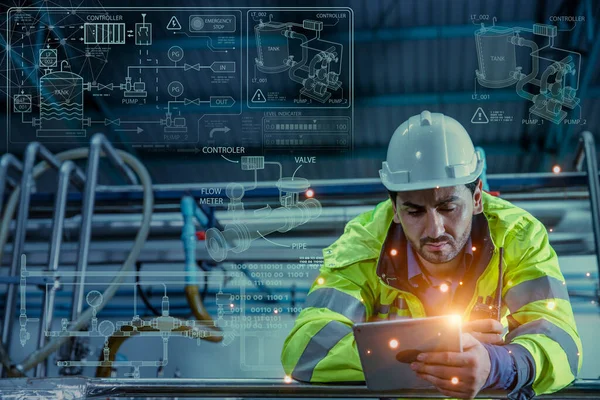
On a global scale, a digital transformation is taking place, radically changing the entire life cycle of infrastructure. Tools such as BIM (Building Information Modeling) have become standard in major projects. They enable 3D modeling of all disciplines and detection of interference. This makes it possible to achieve much more accurate planning.
Furthermore, we cannot fail to mention Digital Twins, which are dynamic digital models that mimic the behavior of a physical asset in real time. By achieving a simulation with the best operating conditions, anticipating failures, and optimizing maintenance, all of this improves operational decision-making.
How we approach it at Metaproject:
With the implementation of the BIM system across all our projects, we incorporate architecture, civil engineering, mechanical engineering, electrical engineering, and instrumentation. We also continuously monitor our projects to maintain operational efficiency and productivity, without overlooking any details.
3. Resilient Infrastructure 2025: Adapting to Climate Change in Engineering
In times when climate change is an issue that has forced us to rethink infrastructure, it is our duty to adapt to all kinds of conditions that must be faced today.
According to the World Bank, resilient infrastructure is key to addressing the effects of climate change.
Regardless of the climatic, operational, structural, or other context, customers require guaranteed quality, considering and evaluating all details that may affect the development of the projects to be carried out.
How we approach it at Metaproject:
Our engineering services are rigorous, with the highest quality standards, following international regulations, climate stress scenarios, and adaptive design. We leave no detail to chance, always thinking about the satisfaction of our clients.
4. Infrastructure Engineering 2025: Multidisciplinary Integration and Collaborative Work
Today, infrastructure projects are becoming increasingly complex, making collaborative work between different disciplines essential. When technical, administrative, environmental, and social areas are not well connected, gaps can arise that hinder successful execution. Therefore, efficient knowledge management and team integration are key to moving forward successfully.
In this scenario, engineering companies face the challenge of becoming true solution providers, integrating different factors and working in coordination with the public and private sectors and communities.
How we approach it at Metaproject:
We promote an approach to engineering that focuses on collaborative work. We have multidisciplinary teams and apply agile methodologies that allow us to respond quickly, integrate solutions effectively, and ensure consistency between project design and execution.
Infrastructure engineering is changing. By 2025, we will be talking about a greener, smarter, and more resilient discipline. Environmental demands, technological advances, and the urgent need to build sustainably are marking a turning point in the way projects are developed.
We are ready to be part of that transformation. Our experience, the technical knowledge we have accumulated, and a clear strategic vision enable us to deliver innovative solutions without compromising on the rigor that each challenge demands.
Because the future of infrastructure cannot be waited for: it must be built. And doing it right, from an engineering perspective, is key to achieving truly sustainable development.